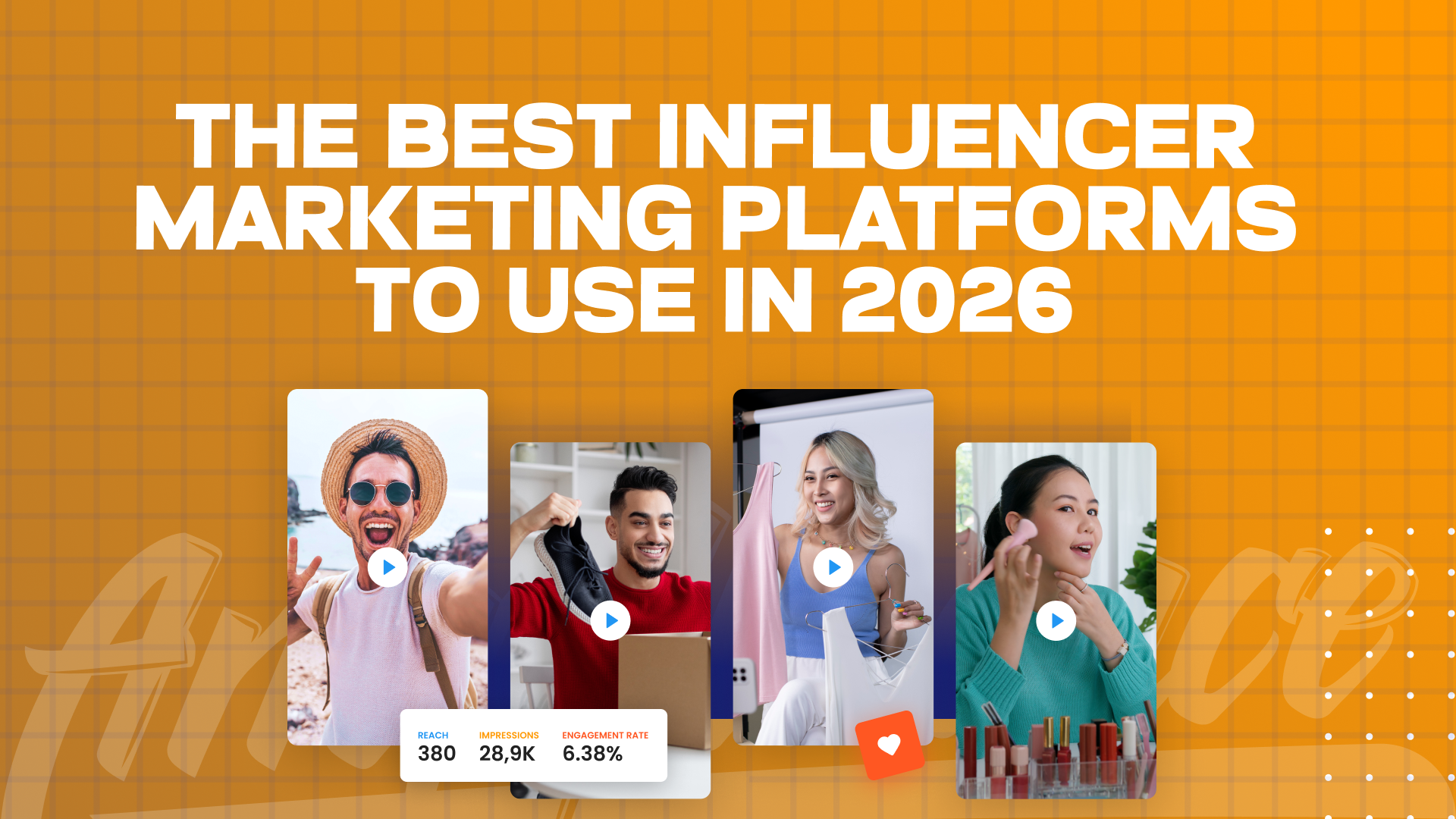
In 2026, influencer marketing has fully matured into a strategic, data-driven ecosystem. Brands no longer treat creators as one-off promotional tools—they are now long-term partners and community builders. AI-driven fraud detection, generative AI for content creation, and advanced e-commerce integrations have made influencer marketing more precise, measurable, and ROI-focused than ever. Choosing the right platform is now the difference between campaigns that thrive and budgets that leak. Here’s the updated guide to the best influencer marketing platforms for 2026.
1. The “Performance Engine”: GRIN
If your brand’s growth relies on direct sales via Shopify, WooCommerce, or other DTC channels, GRIN remains the command center of choice in 2026.
- Deep Dive: GRIN now operates as a complete Creator Management Suite. It not only identifies influencers but also automates shipping, tracks deliveries, generates affiliate codes, and manages collaborations—all from one dashboard. Its integration with e-commerce and CRM systems ensures that every dollar spent can be directly tied to revenue.
- 2026 Standout Feature: Predictive ROI Engine. GRIN now leverages AI to forecast which creators are most likely to drive sales based on historical performance, audience overlap, and engagement trends, reducing wasted investment.
- Best For: High-growth DTC brands needing measurable results from every influencer partnership.
2. The “Community Hub”: Aspire
For brands that want to build enduring creator relationships rather than fleeting campaigns, Aspire continues to shine.
- Deep Dive: Aspire excels in inbound marketing for creators, providing customizable application pages for fans to join your brand ambassador program. It automatically evaluates applications for engagement, audience fit, and other brand-specific criteria.
- 2026 Standout Feature: AI-Powered UGC-to-Ad Pipeline. Aspire now automatically approves, formats, and pushes user-generated content directly into TikTok, Instagram, or Meta Ads Manager while maintaining legal compliance.
- Best For: Lifestyle, fashion, and wellness brands focused on high-quality content and long-term creator advocacy.
3. The “AI Truth-Teller”: Modash
Fake influence is an ever-present risk in 2026. Modash continues to lead in identifying real, trustworthy creators.
- Deep Dive: With access to over 400 million creator profiles across TikTok, Instagram, YouTube, and emerging platforms, Modash allows brands to search for creators without requiring them to register. Its AI analyzes follower growth, engagement anomalies, and historical activity to flag suspicious accounts.
- 2026 Standout Feature: Real-Time Fraud Alerts. Modash now continuously monitors creators’ audience patterns and engagement to alert marketers immediately if a previously vetted influencer shows signs of inauthentic activity.
- Best For: Brands and agencies scaling micro-influencer campaigns while maintaining rigorous quality control.
4. The “Global Intelligence”: CreatorIQ

For multinational corporations, CreatorIQ is still the enterprise powerhouse for influencer operations.
- Deep Dive: CreatorIQ acts as a central CRM for global teams, ensuring that influencers are not contacted redundantly across regions. Its tools streamline reporting, contract management, and cross-market analytics.
- 2026 Standout Feature: SafeIQ 2.0. Leveraging AI, CreatorIQ now evaluates not only creators’ content history but also sentiment analysis, controversy risk, and regional compliance, providing next-level brand safety for complex campaigns.
- Best For: Fortune 500 companies and large agencies managing thousands of creators across multiple languages and currencies.
5. The “All-in-One Hero”: Influencer Hero
The rising favorite of agile mid-market brands, Influencer Hero continues to combine enterprise-level features with accessibility.
- Deep Dive: Influencer Hero guides brands through the full influencer journey—from AI-driven search to automated outreach and payout. The platform now integrates advanced workflow automations for relationship management, reporting, and content approval.
- 2026 Standout Feature: Conversational AI Search. Instead of relying on complex filters, you can type a natural-language description of your ideal creator, and the AI instantly generates a ranked list of candidates with contact info, audience demographics, and engagement metrics.
- Best For: Agencies and nimble marketing teams that want to streamline the entire influencer process and reduce administrative overhead.
Key Takeaways for 2026:
- Integrate to Automate: Platforms without native e-commerce and CRM integrations are falling behind. Full automation saves time and improves measurement accuracy.
- Prioritize First-Party Data: Collecting creators’ emails, addresses, and preferences ensures compliance and reduces reliance on social DMs.
- Track Creator Health: Use predictive analytics to monitor engagement trends and growth, not just current metrics.
- Scale Relationships, Not Transactions: The most successful platforms focus on building long-term partnerships—celebrating milestones, personalizing outreach, and turning creators into authentic brand advocates.
- Leverage Generative AI: Content generation, performance prediction, and fraud detection powered by AI are now table stakes. Brands that ignore these capabilities risk inefficiency and lost ROI.