
Paid social advertising has become an essential tool for businesses of all sizes, but running ads without precise targeting is one of the fastest ways to waste money. Every click, impression, or view costs your brand, and without the right audience, even the most visually appealing or creative ad may fail to generate meaningful results. In 2026, social media platforms have evolved, offering advanced targeting options that can help you connect with the users most likely to engage, convert, and become loyal customers.
The challenge for many businesses isn’t a lack of platforms or ad types it’s knowing who to reach and how to reach them effectively. Audiences today are more selective, scrolling past content quickly and ignoring ads that aren’t relevant or valuable. This makes it critical for marketers to go beyond basic demographics and understand the interests, behaviors, and engagement patterns of their ideal customers. By mastering social media ad targeting, you can increase engagement, reduce wasted spend, and achieve measurable ROI.
In this guide, we’ll cover everything you need to know to reach the right audience every time, including audience segmentation, interest and behavioral targeting, retargeting, platform-specific strategies, and continuous optimization. Whether you’re running campaigns on Facebook, Instagram, TikTok, LinkedIn, or Pinterest, following these strategies will help you connect with the people who matter most to your business and turn ad spend into real results.
Why Audience Targeting Matters
Audience targeting is the foundation of successful paid social campaigns. Ads that are irrelevant to the viewer are often ignored, resulting in wasted spend, low engagement, and poor conversion rates. When you target the right people, your campaigns are more likely to:
- Increase click-through rates (CTR)
- Reduce cost per acquisition (CPA)
- Improve return on ad spend (ROAS)
- Build long-term customer relationships
- Deliver measurable business results
Understanding your audience ensures that your message resonates with people who are already interested in your product, service, or content, which dramatically improves campaign performance.
Define Your Audience for Better Social Media Ad Targeting
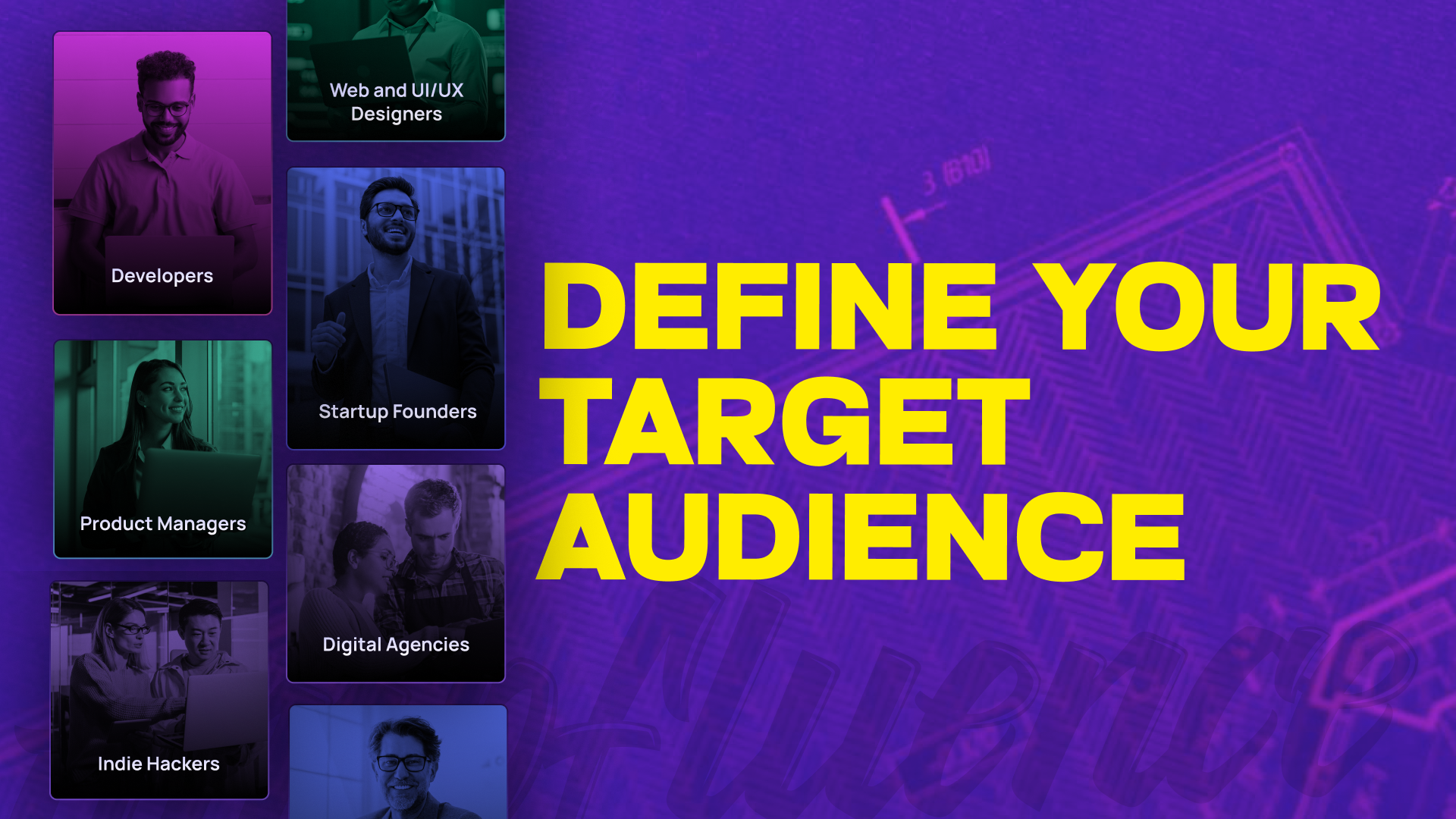
Before creating any ad, you must define who you want to reach. Audience definition goes beyond basic demographics and requires a detailed understanding of your ideal customer.
Key steps include:
- Demographics: Age, gender, location, language, income level, and education
- Psychographics: Interests, hobbies, lifestyle choices, and values
- Behavioral Data: Online activity, purchase behavior, device usage, and platform habits
- Pain Points and Goals: Understand what problems your audience faces and how your solution fits
Segmenting your audience allows you to tailor messaging and creative to meet specific needs. The more specific your segments, the better your targeting and campaign results.
Interest-Based Targeting
Interest targeting is one of the most common and effective ways to reach the right audience on social media. Platforms allow advertisers to show ads to users based on:
- Pages, accounts, or topics they follow
- Activities, hobbies, and lifestyle preferences
- Popular interests like fitness, fashion, gaming, technology, or travel
Interest targeting works best when paired with other layers of targeting. Combining interest targeting with demographic filters ensures that your ad reaches people who are not only interested in your topic but also fit your ideal customer profile.
Behavioral Targeting
Behavioral targeting focuses on how users interact online, which often indicates purchase intent. Common behavioral signals include:
- E-commerce activity, such as adding items to a cart or browsing product categories
- Engagement with social media posts, videos, or ads
- Mobile app usage and device type
- Past purchases or transaction history
Behavioral targeting allows you to reach users who are already in the consideration stage of the buyer journey, increasing the likelihood of conversion.
Custom Audiences
Custom audiences enable you to target people who have already interacted with your brand, making them more likely to engage and convert. Common custom audience types include:
- Website visitors (using tracking pixels)
- Email subscribers
- Users who engaged with your social media content
- Mobile app users
By targeting warm audiences, your ads become more relevant, and your cost per conversion typically decreases. Custom audiences are a critical part of any social media ad strategy.
Lookalike Audiences
Lookalike audiences allow you to expand reach to new users similar to your best customers. These are generated by algorithms that identify patterns among your top-performing audience segments.
Benefits of lookalike targeting include:
- Reaching users who are likely to be interested in your products or services
- Scaling campaigns while maintaining relevance
- Discovering new potential customers without random targeting
Lookalike audiences are especially effective when combined with high-quality custom audiences, ensuring your ads are both relevant and broad enough to scale.
Retargeting for Maximum ROI
Retargeting is essential for capturing users who showed interest but didn’t convert initially. Retargeted campaigns can dramatically increase engagement and conversion rates because the audience is already familiar with your brand.
Types of retargeting:
- Website visitors who didn’t make a purchase
- Users who abandoned shopping carts
- Viewers of previous video content
- Social media engagers who interacted with posts or ads
Retargeting keeps your brand top-of-mind and helps you convert interested users into paying customers at a lower cost than targeting cold audiences.
Platform-Specific Social Media Ad Targeting Strategies
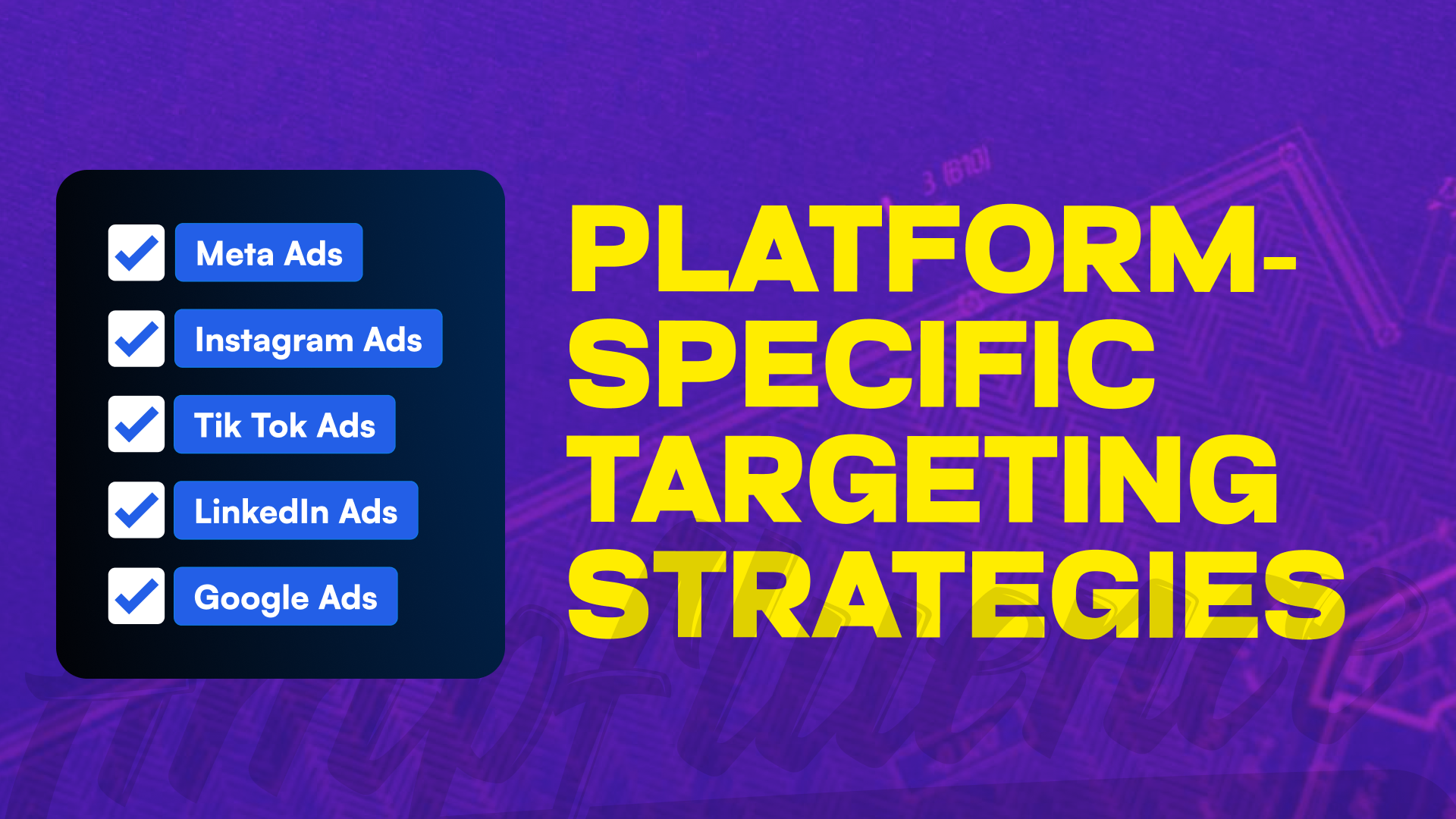
Different social media platforms offer unique targeting capabilities. Understanding platform strengths can improve campaign effectiveness:
- Facebook Ads: Advanced demographic, interest, and behavioral targeting; supports custom and lookalike audiences
- Instagram Ads: Visual-first platform; best for lifestyle, fashion, beauty, and impulse-oriented products; integrates with Facebook targeting tools
- TikTok Ads: Short-form, vertical video engagement; algorithm-driven targeting based on interests and content consumption
- LinkedIn Ads: Professional targeting; ideal for B2B campaigns, job titles, company size, and industry-specific messaging
- Pinterest Ads: Discovery-focused platform; works well for lifestyle, home, fashion, and e-commerce audiences
Tailoring your approach based on the platform ensures better engagement, higher clicks, and stronger conversion rates.
How to Optimize Social Media Ad Targeting
Targeting isn’t static social media users evolve, and platforms update algorithms regularly. Continuous testing and optimization are crucial for maintaining effective campaigns.
Ways to optimize targeting include:
- Split-testing audience segments to find the most responsive groups
- Monitoring campaign performance metrics like CTR, conversion rate, and CPA
- Adjusting targeting layers based on engagement and conversion data
- Combining multiple targeting strategies for maximum relevance
Consistent optimization ensures that your ads continue to reach the right people efficiently and profitably.
Final Thoughts
Social media ad targeting is the backbone of effective paid campaigns. By understanding your audience, leveraging interest and behavioral data, using custom and lookalike audiences, retargeting, and optimizing per platform, you can consistently reach the right audience every time.
Key takeaways:
- Define your audience using demographics, psychographics, and behavior
- Use interest-based and behavioral targeting to reach high-intent users
- Build custom audiences to engage warm leads
- Leverage lookalike audiences to expand reach efficiently
- Retarget users to maximize conversions
- Optimize per platform for engagement and relevance
- Test and refine targeting continuously to improve ROI
With the right targeting strategy, your social media campaigns will reach the right people, generate more clicks, increase conversions, and ultimately deliver higher returns on ad spend in 2026.Successful campaigns start with reaching the right audience.
If you want to improve your social media ad targeting and create campaigns that generate real ROI, our team can help you build a strategy tailored to your audience and goals.
Reach out to get started.

12 Responses
Hi folks, a coworker from Australia recommended Crowngold during lunch while we were joking about how messy some casino websites can get. Later that night I decided to see what he meant. Surprisingly, the layout felt calmer than many similar sites I’ve visited recently. I didn’t feel lost while moving around, and the sections were easy enough to understand without needing extra time to adjust. Even after browsing for quite a while, the site still felt comfortable to use and not overwhelming at all.
You can change your plan and get better with each try because each one gives you feedback. As the levels go on, it gets harder to figure out where to put the goals and obstacles, so you have to plan ahead and try different things. Many levels keep track of how many shots were used or how long it took to finish them, which rewards speed.
Aesthetic PFP pictures are very popular. They look sanrio pfp. They look clean. They look modern. They use pastel colors. They use smooth light. They use simple effects. They feel calm. They feel stylish. They are very common on Instagram. They are also used on TikTok. They make profiles look beautiful. They make profiles look organized. They give a peaceful vibe. They are simple but powerful.
This is a practical guide on ad targeting. It is interesting to see how these segmentation principles apply across various niches. For instance, when marketing casual web games like Drift Boss, reaching the specific demographic of players who enjoy physics and reflex-based challenges can significantly lower acquisition costs. Your tips on refining custom audiences will definitely help streamline this process.
This is a really thorough breakdown of ad targeting strategies! The part about lookalike audiences and interest-based targeting was particularly helpful. At nanobananapro.pics we have been experimenting with AI-generated visuals for ad creatives, and precise audience targeting makes all the difference in ROI. Would love to see a follow-up piece on how AI is changing the targeting landscape specifically.
This is such a comprehensive guide on social media ad targeting! Getting the right audience is half the battle. I have been using AI tools for image generation and visual content creation for social media posts, and accurate targeting makes all the difference in ROI. The tips about lookalike audiences and retargeting strategies are especially practical.
Fantastic deep dive into audience targeting strategies. The section about lookalike audiences and custom audience stacking was particularly valuable. In the video content space, precise targeting is even more critical because video production costs are higher than static posts, so every impression counts. Your framework for testing audience segments before scaling spend is exactly how we approach video campaign optimization. Would love to see a follow-up on TikTok targeting specifics!
Your breakdown of audience targeting options across platforms is really thorough. The emphasis on lookalike audiences and custom audiences is something we have found incredibly valuable at Pictro for reaching our ideal users. AI tools can help refine these segments even further. Thanks for this practical guide!
Really comprehensive guide on audience targeting! The breakdown of lookalike audiences and interest-based targeting is spot-on. At Pictro, we have found that combining AI-powered image generation with precise audience targeting creates much higher engagement. Your point about testing multiple ad creatives simultaneously aligns perfectly with what the data shows for visual content platforms. The section on retargeting warm audiences was especially practical.
Great breakdown of ad targeting strategies! The section about lookalike audiences really resonated with what we see at pictro.ai — AI-powered image tools need precise audience targeting to reach the right creators and designers. The tips on A/B testing creative variations are spot-on too. One thing I would add is that platform-specific optimization matters more than ever in 2026, especially with the algorithm changes across social networks.
Virtual sports betting at https://elon-casinos.net/ fills the gap perfectly when live fixture schedules go quiet. The AI-generated football, basketball, and cricket matches run continuously with a wide range of markets — match outcome, totals, and handicaps all available. Results are genuinely random so no system beats them long-term, but the pace and variety make for entertaining sessions between real sporting events on a slow midweek calendar.
Grear Post