
Creating good social media content takes time, planning, and creative effort. However, publishing a post is only one part of the process. Your content also needs a clear path to reach the people who may find it useful.
Social media content distribution helps brands decide where, when, and how to share their content. With a thoughtful plan, businesses can reach relevant audiences, make better use of existing assets, and avoid relying on a single platform for visibility.
Instead of creating something new for every channel, brands can adapt useful ideas into different formats and share them where they make the most sense.
In this guide, you will learn how to build a content distribution plan that helps your social media work go further.
What Is Social Media Content Distribution?
Social media content distribution is the process of sharing and promoting content across selected channels to reach an intended audience.
This may include publishing posts on your own social accounts, sharing blog articles through email, encouraging customers to share useful resources, or supporting important content with paid promotion.
The goal is to connect each piece of content with the people most likely to benefit from it.
For example, a business might publish a detailed blog, turn its main lessons into an Instagram carousel, create a short video from one key point, and share a discussion post on LinkedIn.
The central idea stays the same, but the format changes to suit each channel.
Why Content Distribution Matters in 2026
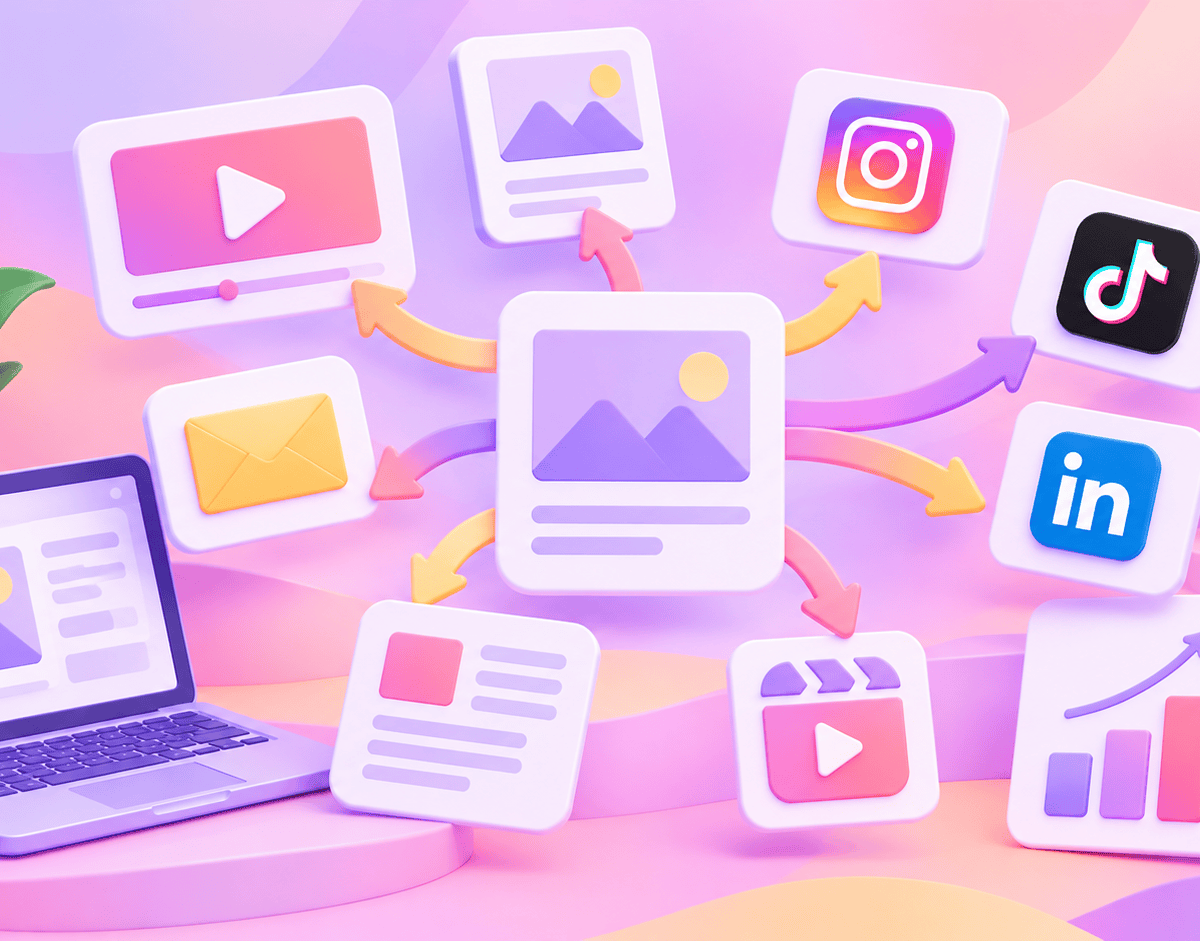
A useful post can easily be overlooked if it only appears once. Your audience may not see it because of timing, platform habits, or the amount of content competing for attention.
A distribution plan gives important content more opportunities to reach people.
It can help your business:
- Reach audiences across relevant channels.
- Make better use of existing content.
- Support website traffic and lead generation.
- Build familiarity through consistent messaging.
- Reduce the pressure to create completely new ideas every day.
- Understand which channels bring meaningful results.
However, sharing the same post everywhere without changes may not be effective. Each platform has its own audience expectations and content formats.
Therefore, distribution should involve thoughtful adaptation rather than simply copying and pasting.
1. Start With a Clear Distribution Goal
Before deciding where to publish, identify what you want the content to achieve.
Are you trying to attract new audiences, drive website visits, encourage inquiries, or build awareness around a service?
Your goal will influence which channels and formats make sense.
For example, a detailed educational blog may be useful for attracting search traffic and supporting website visits. A short video may introduce the same topic to people who prefer quick explanations.
Choose one main goal for each important content asset. This makes it easier to decide where to share it and which results to review.
2. Choose Channels Based on Your Audience
You do not need to distribute every post across every available platform.
Start with the channels your target customers already use and the formats your team can manage consistently.
Consider what each channel can contribute:
- Instagram: Visual storytelling, carousels, Reels, and community interaction.
- TikTok: Short-form videos, demonstrations, and discoverable educational content.
- LinkedIn: Professional insights, business discussions, and industry expertise.
- YouTube: Longer explanations, tutorials, demonstrations, and video resources.
- Email newsletters: Direct communication with subscribers and links to useful content.
- Your website or blog: Detailed information that can support search visibility and customer decisions.
These are general uses, not strict rules. Your audience and business goals should guide the final channel mix.
It is better to manage a few relevant platforms well than to spread your resources across channels that do not support your objectives.
3. Give Each Channel a Specific Role
Once you have selected your channels, decide what each one should do.
For example, your blog could serve as the main source for detailed information. Instagram might introduce the key ideas through visual posts, while LinkedIn could share a professional perspective on the same topic.
This approach gives your content a clearer purpose.
It also helps avoid publishing identical messages everywhere. Instead, each channel contributes a different part of the audience experience.
Create a simple distribution plan that lists the main content asset, the channels where it will appear, the format for each channel, and the intended action.
4. Repurpose Content Into Different Formats
Repurposing is one of the most useful ways to make content distribution more efficient.
Start with a strong content asset, such as a blog post, webinar, video, or customer guide. Then identify smaller ideas that can stand on their own.
For example, one detailed article could become:
- A carousel covering its main lessons.
- A short video explaining one key point.
- A series of quick tips.
- A LinkedIn post sharing a practical takeaway.
- An email newsletter linking to the full article.
- A visual summary for social media.
However, avoid turning every sentence into a separate post. Choose ideas that provide value even when people have not seen the original content.
Also, adapt the wording and presentation to each platform. A video script should sound natural when spoken, while a carousel needs clear, easy-to-read slides.
5. Create a Distribution Schedule
A distribution schedule helps your team organize where and when each asset will appear.
It does not need to be complicated. A simple content calendar can include the original publication date, the platforms selected, the adapted formats, and the planned calls to action.
For example:
| Content asset | Distribution channel | Adapted format | Goal |
|---|---|---|---|
| Blog article | Educational carousel | Build awareness | |
| Blog article | Insight post | Reach business audiences | |
| Blog article | Newsletter feature | Drive website visits | |
| Tutorial video | Short-form video platform | Short clips | Introduce the topic |
Plan the timing based on your publishing capacity and audience habits. You do not need to share every version on the same day.
A staggered schedule can give each format its own opportunity to reach people.
6. Use Owned, Earned, and Paid Distribution
Content can reach people through different types of channels.
Owned distribution includes channels your business controls, such as your website, email list, and social media accounts.
Earned distribution happens when other people share, mention, recommend, or discuss your content without you paying for that placement.
Paid distribution involves paying to promote content through advertising or sponsored placements.
Each method serves a different purpose.
Owned channels give you a consistent place to publish and build relationships. Earned distribution can introduce your content to new audiences through other people’s networks. Meanwhile, paid promotion can help you reach a selected audience when you have a clear campaign goal.
You do not need to use all three for every post. Choose the approach that fits the content, available budget, and expected result.
7. Make Every Distribution Feel Natural
One of the biggest mistakes brands make is sharing content without considering the platform.
A long blog introduction may not work as an Instagram caption. Similarly, a casual short-form video script may need a different structure for a professional LinkedIn post.
Adapt the opening, length, visuals, and call to action.
For example, a blog about customer service could become a carousel showing common mistakes, a video demonstrating a better response, or a LinkedIn post discussing the business impact.
Keep the main message consistent, but make the presentation feel appropriate for the channel.
In addition, check links, image sizes, captions, and platform requirements before publishing. Small details can affect how easily people access and understand your content.
8. Measure Which Channels Bring Results
Distribution should be reviewed based on more than how many times a post was published.
Look at the results that match your original goal.
If you want website traffic, review link clicks and referral visits. If you want to build awareness, look at reach and relevant audience growth. For lead generation, monitor inquiries and conversions where tracking is available.
Compare performance across channels, but remember that each platform may serve a different role.
A channel that generates fewer clicks might still help people discover your brand. Meanwhile, another channel may be better at bringing visitors to your website.
Use the findings to decide which formats deserve more attention, which channels need improvement, and where your team should spend its time.
Final Thoughts
Social media content distribution helps brands make better use of the work they already create. By choosing relevant channels, adapting content into useful formats, and measuring meaningful results, businesses can give their content more opportunities to reach the right audience.
The goal is not to publish everywhere. Instead, build a repeatable process that connects each content asset with the channels and people it is best suited for.
At Ampfluence, we help brands plan and manage strategic social media content so every post has a clear purpose. Visit Ampfluence to learn how we can help your brand get more value from its content.

2 Responses
@Melon Playground Game thanks
A practical addition to the distribution calendar is a source-to-variant map: keep the original point, the short video script, the cover frame, the caption and the destination link together. That makes it easier to adapt the opening for each platform without accidentally changing the underlying claim. Before scheduling a vertical clip, preview its cover and captions at phone size and check that the promised takeaway actually appears in the video. This also gives the team a clear record of which version produced the clicks or inquiries.