
In the high-speed race for professional relevance, simply posting occasionally won’t cut it. For thought leaders, B2B marketers, and ambitious professionals, the ability to pinpoint and capitalize on the biggest conversations happening right now is the secret weapon for massive visibility. This is why mastering How to Spot & Leverage Trending Topics on LinkedIn is arguably the most crucial skill for growing your influence.
Today, the LinkedIn algorithm favors content that adds immediate value to an ongoing, high-engagement conversation. By aligning your insights with what the collective professional community is already discussing—from breaking industry news and new technological shifts to major regulatory changes—you effectively hitch your content to an already accelerating engine of attention. Understanding this dynamic not only boosts your personal brand but also establishes you as a timely, authoritative voice in your niche. The difference between a post that gets 50 views and one that gets 5,000 often lies in its relevance to a current trend. Over the next few sections, we’ll break down the precise methods and strategies, from the Tools to Track LinkedIn Trends to the nuances of How to Identify Trending Topics on LinkedIn, ultimately guiding you in Developing a Content Strategy with LinkedIn Trends that ensures your expertise cuts through the digital noise and connects with the right people at the right moment.
Tools to Track LinkedIn Trends
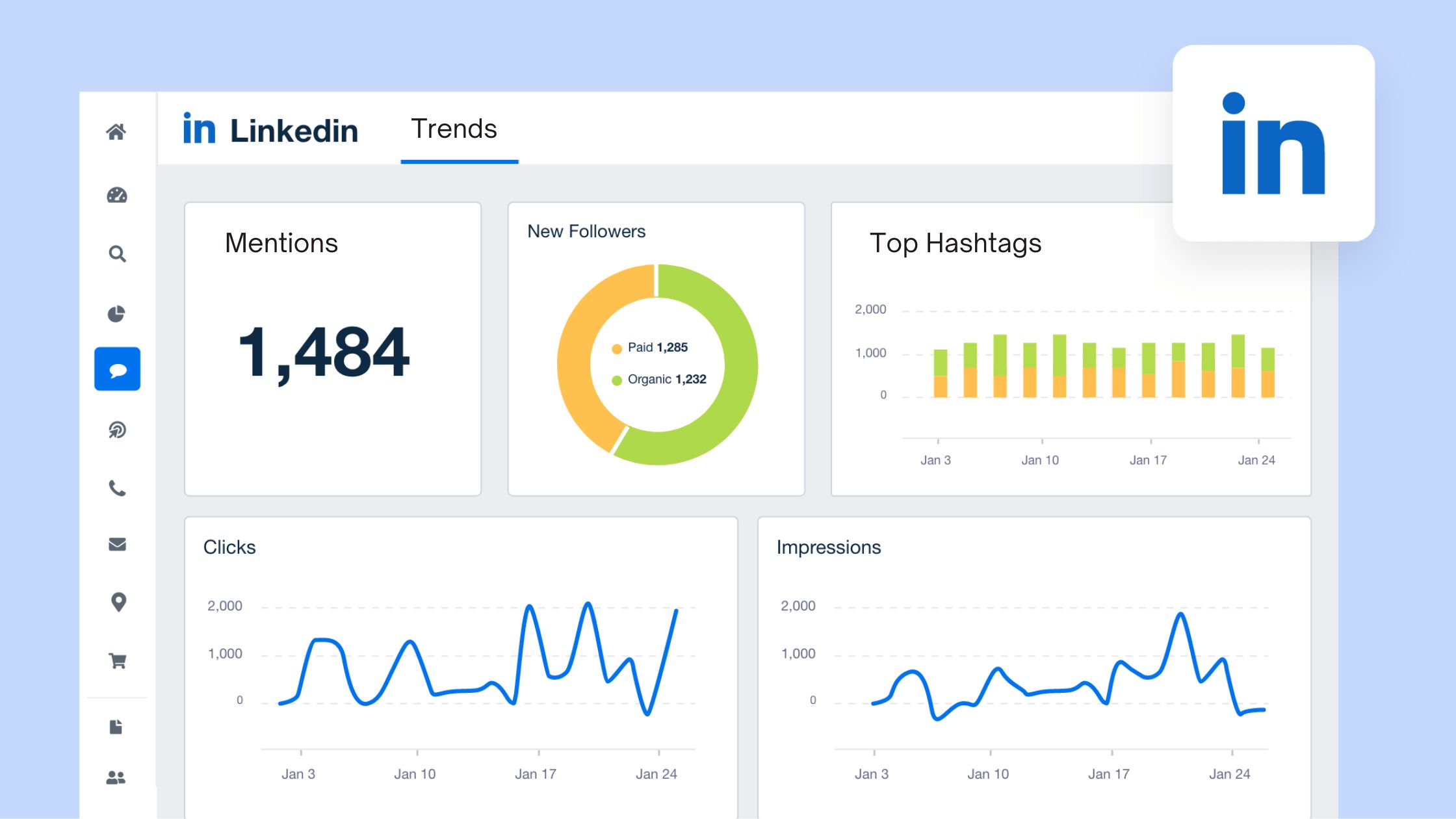
While LinkedIn’s organic feed is a starting point, relying solely on endless scrolling is inefficient. Leveraging specific tools, both native and external, can turn trend-spotting from a passive activity into an active, strategic advantage.
- LinkedIn News & The Daily Rundown: This is your primary source for editorially curated, high-level professional news. It flags stories that are already generating significant conversation, indicating a validated trend.
- Targeted Hashtag Following: The simplest and most powerful native tool. By actively following 5-10 niche-specific hashtags (e.g., #SaaSMarketing, #FutureofHR), you effectively create a filtered feed that tracks real-time interest in your industry. Watch which posts under these tags generate the highest engagement.
- Google Trends: This free external tool helps confirm the overall velocity of a topic outside of LinkedIn. A topic that is spiking globally on Google is highly likely to be gaining traction on LinkedIn. For teams that supplement tools like Google Trends by collecting public web data at scale, Oxylabs’ ISP proxy can provide the stable connections needed for larger data-gathering workflows.
- Social Listening & Analytics Tools: Monitor competitor performance and your own past high-performing content. Your analytics will show which subjects resonated most with your specific audience, helping you spot internal trends.
How to Identify Trending Topics on LinkedIn
Identifying a trend involves looking beyond the headline to understand the underlying professional anxiety, excitement, or shift it represents.
- Look for the High-Velocity Conversation: A truly trending topic isn’t just a news link; it’s a piece of content with a disproportionately high comment-to-like ratio. Comments are what the algorithm values most, as they signify a genuine debate or discussion. If you see a post with 50 likes but 150 comments, that topic is hot.
- Monitor Key Thought Leaders’ Shifts: Industry leaders and influencers don’t post randomly. If multiple authoritative voices in your space suddenly pivot their content to discuss a new technology, a legal ruling, or a market event, it signals an emerging, high-value trend.
- Mine the Comments for Pain Points: The comment sections of trending posts are goldmines for content ideas. When a new trend is announced, people immediately ask, “How does this affect my job?” or “What tool should I use?” These questions reveal the specific, practical angle you need to take.
- Confirm the Longevity: Not every spike is a trend; some are just temporary noise. A genuine trend maintains its relevance and discussion volume for more than a day.
Developing a Content Strategy with LinkedIn Trends
The biggest mistake when leveraging a trend is simply re-sharing the original article. The power lies in adding your unique professional perspective and catalyzing new discussions.
1. The Timely “Take” Strategy
Your content must be a “take” on the trend, not a report of it.
- Offer a Contrarian View: Don’t be afraid to challenge the consensus professionally. A thoughtful, well-reasoned opposing view often generates more discussion than simple agreement. Example: “While everyone is celebrating [New AI Feature], here’s why it will create a massive blind spot for [Your Industry].”
- Provide a Hyper-Niche Analysis: Zoom in. If the topic is broad (e.g., “The Recession”), narrow it to your expertise (e.g., “3 Unexpected Ways the Current Economy is Impacting Mid-Market B2B Sales Cycles”).
- Create a Practical Action Plan: Turn the news into a “How-To.” Example: “New regulation X just dropped. Here is the 5-Step Checklist for [Your Professional Role] to ensure compliance by next month.”
2. Format for Maximum Reach
Align the content format with the trend’s maturity and complexity:
| Trend Maturity | Recommended Content Format | Strategy |
| Breaking/New | Polls or Short Text Posts | Quick opinion gauge; capitalize on velocity and jumpstart engagement. |
| Mid-Life/Complex | Carousels or Short Videos | Break down complex information into digestible, swipeable slides or a 60-second summary. |
| Established/Significant | LinkedIn Articles or Newsletter | Showcase deep authority, provide comprehensive analysis, and use SEO to capture long-term traffic. |
Before publishing, it’s useful to preview a LinkedIn post to ensure formatting, readability, and structure are optimized for both mobile and desktop feeds.
3. Be a Super-Engager
The moment your content goes live, your job pivots to engagement. Respond to comments promptly and thoughtfully, asking follow-up questions to keep the discussion alive. The longer your post is actively generating discussion, the further LinkedIn’s algorithm will push it.
Key Takeaways for LinkedIn Success
- Priority 1: Listen to the Comments: High-comment content reveals the hottest, most discussable topics. Your content must address the questions being asked in those threads.
- The Velocity Rule: Publish your unique take on a significant trend within 48 hours of it reaching critical mass. Timeliness is non-negotiable.
- Always Add Your Spin: Never just re-post the news. Your value is in your expertise—provide a unique opinion, a practical application, or a focused niche analysis.
- Format Matters: Use polls for quick opinions, carousels for breakdowns, and articles for deep analysis to match the complexity and maturity of the trend.
- Be the Discussion Leader: Once posted, commit to engaging deeply with every comment to maximize your post’s lifespan and reach.



44 Responses
I believe that actively engaging with trending topics on LinkedIn is essential for professionals looking to enhance their visibility and influence, as it not only showcases expertise but also fosters meaningful connections within the plants vs brainrots industry.
good.
Briefly Short is a platform that delivers quick and clear summaries of news, articles, and stories. It focuses on providing essential information in a concise and easy-to-read format for busy readers.
https://brieflyshort.com/
Aluminum scrap price refers to the current market value of recycled aluminum materials. It varies based on factors like global demand, purity, type (e.g., cans, sheets, or cast aluminum), and market conditions. Tracking aluminum scrap prices is important for recyclers, manufacturers, and sellers to maximize profit and support sustainable practices.
https://schrott-handler.de/aluminium-schrottpreis/
This post deserves appreciation. Schemes keep changing and users struggle to Check Ladki Bahin Yojana updates, but your article simplifies everything and keeps it easy to follow. I hope you continue posting more updates like this.
Fantastic breakdown, Beverly! I completely agree that timeliness and relevance determine LinkedIn success. I’ve noticed similar dynamics in community-driven platforms too — when you spot a conversation early, your insights gain far more engagement. It’s a lot like how trend anticipation shapes fan discussions on Football Bros — staying agile and contributing meaningful context makes all the difference. Great read, thank you!
Body horror is one of the most disturbing subgenres in horror games. It focuses on the corruption of the human body — deformities, mutations, or loss of control over one’s own flesh. Games like The Evil Within and Scorn explore this grotesque theme, forcing players to confront the fragility of physical identity. Watching a character’s body twist and change evokes both disgust and fascination.
I’ve definitely noticed that jumping on relevant LinkedIn trends makes a massive difference — my posts only started getting real traction once I aligned them with conversations already taking off. It’s kind of like Drift Boss : if you time the turn right, you ride the momentum instead of fighting it. Staying aware of what people are talking about just makes everything work smoother.
Your post is great, and I’d want to pass on a small part of it with you. Baseball bros game is a fast.
sporting and ring Linkednl trends is huge timely insight can boost visibility fast
Thank you really very much. Your article has given me a lot of useful information. Hope you will continue to have useful articles in the future.
You can identify trending topics on LinkedIn by following popular influencers rowan atkinson dödsorsak, exploring hashtags related to celebrities, lifestyle news, and income updates, and observing which posts generate high engagement and discussions naturally.
Great insight—tracking influential voices, trending hashtags, and high-engagement discussions is an effective way to discover emerging topics and audience interests on LinkedIn.
The article provides insightful strategies for leveraging LinkedIn trends to boost visibility and establish authority. From using hashtags to tools like Google Trends, it’s a comprehensive guide. For more powerful tools and resources, check out devil hunter—unlock your ultimate potential!
crossy road transforms every jump into a thrilling challenge, where you must react quickly to dodge obstacles, explore a vibrant world, and unlock many exciting characters.
Mastering LinkedIn trends is crucial for professionals aiming to boost visibility and authority. Leveraging tools like Google Trends and targeted hashtags can enhance relevance. For more tips on growing your influence, visit bounce path—your ultimate guide to professional success!
Mastering LinkedIn trends is crucial for building professional influence and visibility. The tools and strategies shared here are practical and insightful. For innovative solutions in landscape design, visit AI landscape design—where technology meets creativity!
Mastering trending topics on LinkedIn is indeed a game-changer for B2B marketers aiming to boost visibility and influence. Staying relevant in high-engagement conversations is key! Speaking of staying ahead, check out this site for unique insights: 5 nights at epsteins.
Great article! I’ve found that the LinkedIn algorithm really does reward those who tap into active conversations. The tip about using LinkedIn News & The Daily Rundown is spot on—I’ve been checking it daily and noticed my engagement doubled when I reference those topics. Also, your point about adding immediate value rather than just jumping on the trend is crucial; I learned that the hard way with a post that flopped because it lacked substance. Thanks for the actionable insights!
Your breakdown of the LinkedIn algorithm’s preference for trend-aligned content is spot on. I’ve personally found that using LinkedIn News and the Daily Rundown helps me catch early signals, but coupling that with external trend-watching tools like Google Trends or BuzzSumo gives a broader perspective. One thing I’d add is the importance of engaging with trending posts before creating your own—this builds credibility and helps you understand the conversation’s tone. How often do you recommend checking for new trends to stay ahead without overwhelming your content schedule?
pak game is an online gaming platform that provides access to multiple digital games, including prediction-based formats, lottery-style options, and sports-related activities. It is built to offer a simple and engaging user experience.
The breakdown of finding and leveraging trending topics on LinkedIn is really practical Her Trees especially the emphasis on engagement signals and adding a unique perspective rather than just resharing content.
Great insight, especially the emphasis on timing and adding personal perspective instead of just reposting trends. That’s what really tomb of the mask makes content stand out on LinkedIn.
Excellent tips—understanding and leveraging trending LinkedIn topics can significantly boost engagement, visibility, and meaningful professional connections.
Great article! I found this very helpful. Check out https://clickcast.tech for more interesting content.
Solve Gothic lock picking minigame with this solver.
PokéPath TD Strategy Guide and Wiki – Explore PokéPath TD strategies with a complete wiki, Pokémon database, route analysis, enemy data, and planning tools. Useful PokéPath TD reference: https://pokepathgame.org
38-0-0 SERIE A Historical XI Draft Game – Draft an all-time Serie A XI, simulate 38 matches, and see if your squad can finish with a perfect 38-0-0 record. Useful PokéPath TD reference: https://38-0-0-seriea.com
Think you can handle a fussy baby? the baby in yellow, a hilarious horror game where your little “god” can levitate, teleport, and… summon demons!
This article is pretty much on the right track for anyone who wants to build a serious personal brand on LinkedIn.
The time-sensitive part of hopping on a LinkedIn trend is real, but spotting it early usually takes more daily effort than most people have. Scrolling for ten minutes a day won’t cut it when the algorithm rewards whoever jumps in within the first hour or two. That cost in daily attention might be why most folks stick to reposting comfortable, proven topics instead, unless an AI image generator can tilt the effort curve. Even a tool like that doesn’t help with the initial detection struggle, though — reading the room still beats any shortcut for timing. Wading through hashtags at 7 AM just becomes another chore, especially when you’re juggling more urgent tasks like keeping character designs on-model for *game development*.
As a seasoned participant in the online pokies scene, I have explored numerous Australian-facing casinos over the years, developing a sharp eye for platforms that genuinely deliver on their promises. All too frequently, operators entice players with attractive bonuses but subsequently impose punitive wagering conditions or unnecessarily prolong withdrawal processing. Determined to find a reliable alternative, I conducted exhaustive research, examining player experiences, licensing validity, and promotional fairness. The casino I ultimately selected has exceeded every reasonable expectation I had. The aesthetic is contemporary and inviting, the layout is intuitive, and the mobile experience is seamless across all my devices. ozwin96 has quickly become my preferred destination for online gaming. The customer support team resolved my initial queries with commendable speed and courtesy. My withdrawal experiences have been uniformly positive, with funds arriving promptly. I wholeheartedly recommend this casino to all Australian players.
Thanks for sharing this helpful post.
Excellent post, learned a lot!
Great article, really useful, thanks!
Great article, really useful, thanks!
Thanks for sharing this helpful post.
Excellent post, learned a lot!
Great article, really useful, thanks!
Great article, really useful, thanks!
The useful distinction here is between a broadly popular topic and a conversation that matters to a specific audience. For a niche game tool, I would want to see a concrete user question behind the spike before turning it into a post, rather than treating engagement volume alone as the brief.
That’s a fantastic point about the need for consistent, relevant engagement! LinkedIn definitely rewards those who are tuned into the current pulse of their industry. Spotting and leveraging trending topics isn’t just about visibility, it’s about adding genuine value to ongoing discussions. It reminds me of the strategic thinking you need in games like Slither io to navigate the ever-changing landscape and come out on top.
Using niche hashtags alongside a broader trend signal is a helpful way to avoid chasing a topic that has little connection to the audience. For a post about game development, I would also test whether the cover image still explains the angle at mobile size; our thumbnail tester supports that visual check for Roblox creators. A readable image is a publishing check, while actual audience response still needs to be measured separately.
The point about using concise, timely information to join LinkedIn conversations is especially useful for professionals who need to react before a trend fades. For people following price-related discussions, [Precio de cada tipo de combustible hoy en España] offers a practical reference for checking today’s fuel prices in Spain alongside broader industry news.